
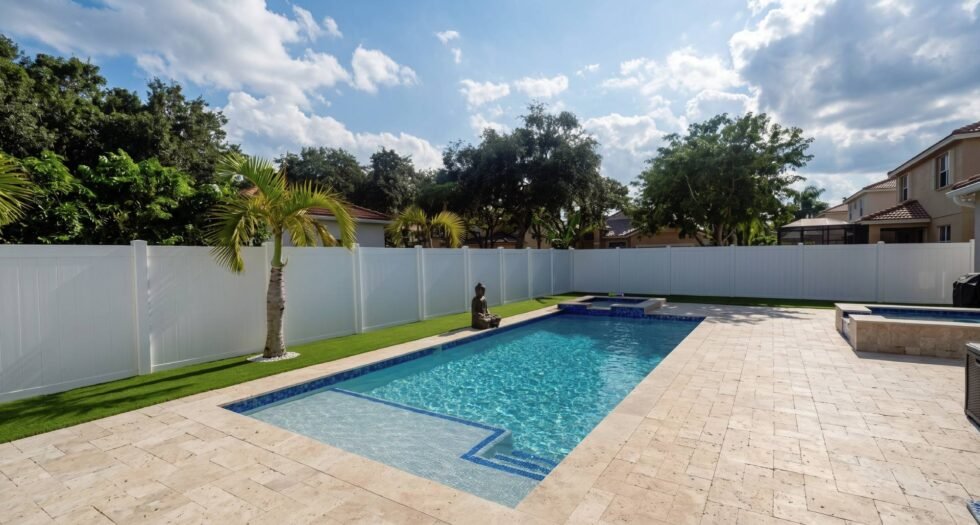
Swimming Pool Permits in Pembroke Pines, FL: Everything You Need to Know
Building a custom pool in Pembroke Pines is a premier lifestyle investment. However, Florida’s strict building codes and municipal regulations mean you must prioritize legal compliance from the start.
At Accro GC, we handle the complex bureaucracy so you can focus on your design. Consequently, we have created this guide to help you navigate the permitting process with ease.
1. Navigating the Building Permit Process
The City of Pembroke Pines requires a formal building permit for any permanent pool structure. While this includes in-ground gunite pools and spas, it also covers your pool deck. This oversight ensures every project meets the Florida Building Code for structural integrity.
To begin the application, you will need:
-
A Recent Property Survey: This document must show all existing structures and fences (typically less than one year old).
-
Engineered Plans: You must submit detailed blueprints signed and sealed by a Florida-licensed Engineer.
-
A Precise Site Plan: This map illustrates the exact location of the pool and equipment relative to your property lines.
2. Understanding Zoning and Setbacks
Every residential lot in Pembroke Pines follows specific setback rules. In other words, you must maintain minimum distances between the pool and your property boundaries.
Furthermore, construction is strictly prohibited on utility or drainage easements. Because of this, our team performs a comprehensive site analysis to ensure your layout respects these legal boundaries before we break ground.
3. Compliance with the Florida Pool Safety Act
The City of Pembroke Pines prioritizes safety above all else. Therefore, your pool must pass a final inspection by incorporating at least one of these mandatory safety features:
-
Safety Fencing: A barrier at least 4 feet high with no gaps.
-
Exit Alarms: High-decibel alarms on all access points leading to the water.
-
Self-Closing Doors: Doors must feature self-latching mechanisms at a minimum height of 54 inches.
-
Approved Safety Covers: Manual or powered covers that meet ASTM standards.
4. Securing HOA Approval
Most communities—such as Silver Lakes, Chapel Trail, and Pembroke Falls—operate under a Homeowners Association. Importantly, the City often requires an HOA Approval Letter before they will issue your municipal permit. For this reason, we recommend submitting your designs to your Architectural Review Committee (ARC) as your very first step.
5. Essential Milestone Inspections
During construction, city officials will visit your site to verify compliance. Specifically, they will conduct:
-
Steel & Ground Inspection: To verify the rebar and electrical bonding.
-
Main Drain Review: To confirm suction outlets meet anti-entrapment standards.
-
Final Inspection: The definitive sign-off that allows you to finally enjoy your pool.
Why Choose Accro GC?
Managing the City of Pembroke Pines Building Department requires technical precision. By choosing Accro GC, you gain a partner that manages the entire lifecycle—from the first permit application to the final splash.
Ready to transform your backyard? Request a Free Estimate or call us at (954) 934-3379.
Frequently Asked Questions (FAQ)
1. How long does it take to get a pool permit in Pembroke Pines?
Typically, the permitting process takes between 4 to 8 weeks. However, this timeline depends on the current backlog at the Building Department and the speed of your Homeowners Association (HOA) approval. At Accro GC, we strive to expedite this process by submitting error-free documentation from day one.
2. Do I need HOA approval before applying for a city permit?
Yes, in most cases. Most communities in Pembroke Pines require a formal approval letter from their Architectural Review Committee (ARC). Specifically, the City of Pembroke Pines often asks for this letter as part of your application package. Therefore, we recommend starting your HOA application as soon as you finalize your design.
3. What is the minimum setback for a pool in Pembroke Pines?
Setbacks usually range from 5 to 10 feet from the side and rear property lines. Nevertheless, these requirements can vary based on your specific lot size and zoning district. Our engineers always verify these distances against the latest City of Pembroke Pines Building Department regulations to avoid costly design changes.
4. Can I build a pool over a utility easement?
No, you cannot build permanent structures over a utility or drainage easement. Because of this, our team conducts a thorough survey review to identify any “no-build” zones on your property. If an easement exists, we will design your pool to stay strictly within the legal building envelope.
5. What safety features does the city require to pass inspection?
To comply with the Florida Residential Swimming Pool Safety Act, you must install at least one approved safety barrier. For instance, you may choose a 4-foot safety fence, high-decibel exit alarms on doors, or self-closing/self-latching gates. Consequently, your pool will not receive a final certificate of occupancy until these features pass a rigorous city inspection.
6. How much do pool permits cost in Pembroke Pines?
The City calculates permit fees based on the total valuation of the construction project. Typically, you should budget for municipal fees that represent a small percentage of your total investment. In addition to city fees, you may also need to pay separate fees for electrical and plumbing sub-permits.